Government Has No Intention of Curtailing Press Freedom: Minister Timilsina

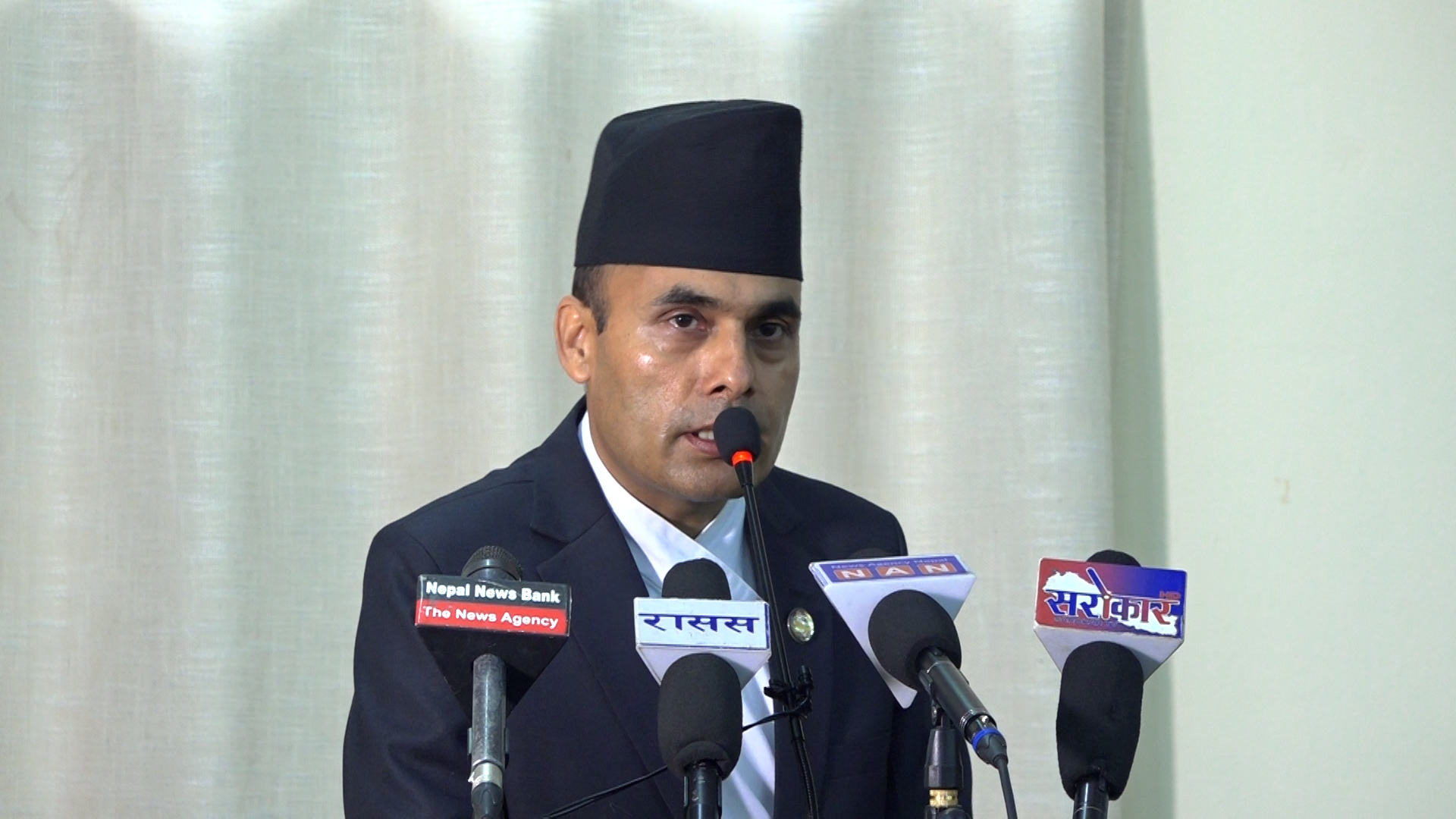
Minister for Communication and Information Technology, Bikram Timilsina, has clarified that the government has no intention of curtailing press freedom.
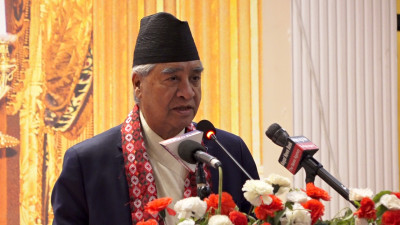
Addressing the National Convention of the Federation of Nepali Journalists (FNJ) on Sunday, Minister Timilsina stated that the government remains fully committed to press freedom, which stands as a cornerstone of democracy.
He mentioned that the government's first 100 days were focused on delivering result-oriented work to the citizens, adding that the government is serious regarding the suspicions raised about attempts to infringe upon press freedom.
Minister Timilsina emphasized that since press freedom is the fundamental basis of democracy, no one can infringe upon it. He noted that if any obstacles arise in implementing the right to press freedom ensured by the Constitution, legal and institutional mechanisms are in place to address them.
"We were extremely busy during our first 100 days to show results to the citizens. Meanwhile, I found that many perceived the government as trying to curtail press freedom. However, I want to request all journalist friends not to worry about this. We are fully aware that press freedom is the cornerstone of democracy. No one can infringe upon press freedom. If the government creates obstacles in implementing constitutional rights, there are various legal methods within the country. But on behalf of the Ministry, I want to express my commitment, and if there are any issues regarding the infringement of press freedom, we can discuss them. I request all journalist friends not to be anxious about this matter," he said.
He reiterated that the Ministry of Communication and Information Technology remains committed to protecting press freedom on behalf of the government, adding that the government is ready to resolve any grievances or issues related to press freedom violations through dialogue and discussion.
Referring to journalism as the fourth estate of democracy, he stated that the Communication Ministry and the government are committed to making it stronger, institutionalized, credible, and professional. Furthermore, he noted that the journalism sector itself must prioritize responsible practices to maintain its dignity, credibility, and social responsibility.
Similarly, speaking at the program, the President of the Federation of Nepali Journalists, Nirmala Sharma, emphasized the need for a national debate regarding communication-related laws, press freedom, and responsible journalism.
She informed that the major agendas for discussion at the convention include determining what the upcoming Federal Communication Law should look like, how to effectively implement the journalist code of ethics, and how to strengthen the professional accountability of journalists themselves.

Overnight Rescue Operations Underway at Chilime Tunnel
September 14, 2026
Nepal Esports League Added to Calendar
September 14, 2026
National Children's Rights Day Being Celebrated
September 14, 2026
Bhotekoshi Flood: 1,386 Bodies Recovered
September 13, 2026
Overnight Rescue Operations Underway at Chilime Tunnel
September 14, 2026
National Children's Rights Day Being Celebrated
September 14, 2026
Bhotekoshi Flood: 1,386 Bodies Recovered
September 13, 2026