Impact of Fluctuating Temperatures on Public Health in Nepal

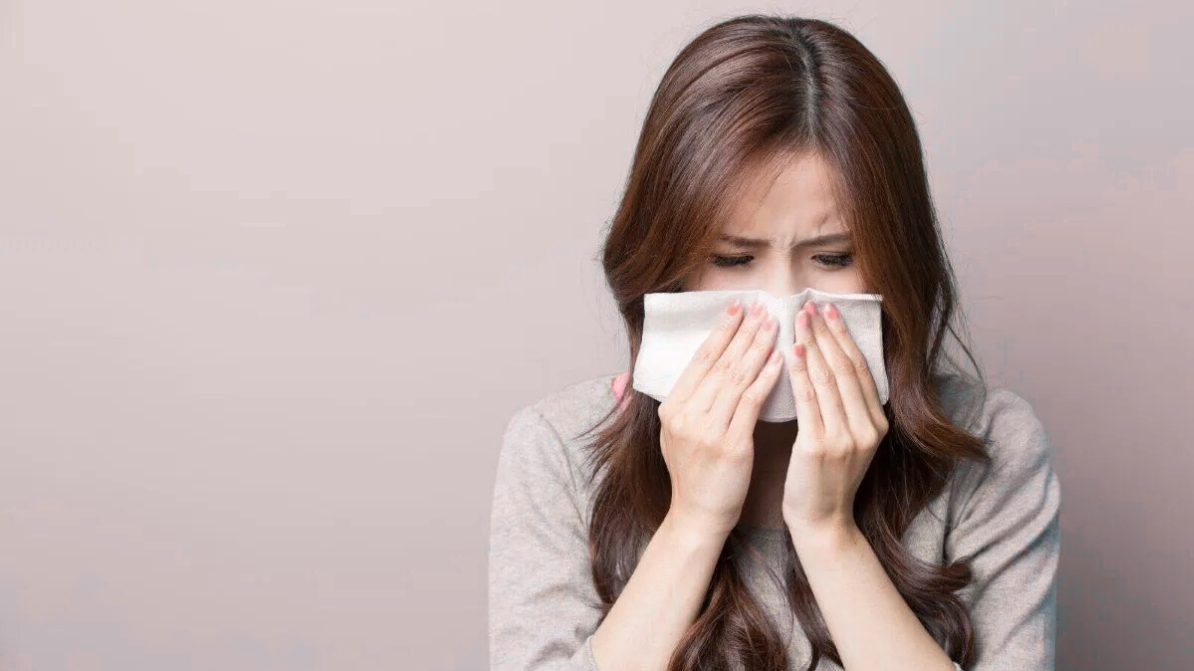
Kathmandu. This transitional period, as winter gradually ends and summer begins, is considered sensitive from a health perspective. The condition of cold mornings, warm afternoons, and temperatures dropping again in the evening makes it difficult for the human body to adapt to the environment. For this reason, doctors say that problems related to various infectious and chronic diseases increase during this time.
Common issues observed during this period include colds, viral fevers, allergies, asthma, skin infections, and stomach-related problems. According to physicians, rapid fluctuations in temperature weaken the body's immune system, allowing viruses and bacteria to affect it easily.
According to the Ministry of Health and Population, children, the elderly, pregnant women, and people with chronic illnesses are at particular risk during seasonal changes. The Ministry has also urged focus on hygiene, nutritious diet, and rest, especially for school-going children, as viral infections spread quickly among them.
What problems are seen more frequently?
Viral Fever and Cold
Due to temperature changes, problems such as dry throat, runny nose, fever, and body aches are common. Infections can spread quickly due to crowds and dust.
Allergy and Asthma
With the start of the spring season, problems for asthma and allergy patients increase further as pollen, dust, and pollution rise.
Stomach-related Problems
As the weather starts getting warmer, carelessness in diet can lead to diarrhea, vomiting, and stomach pain. Contaminated water and unsafe food are the primary causes.
Skin-related Infections
As sweating increases, fungal infections, sores, and allergies may appear.
Dehydration and Fatigue
Since people often continue the habit of drinking less water from the cold season, dehydration can occur in the body, leading to fatigue, headaches, and weakness.
Suggestions from Doctors
The World Health Organization considers personal precaution to be the most effective protective measure, stating that even minor carelessness during seasonal changes can spread infection.
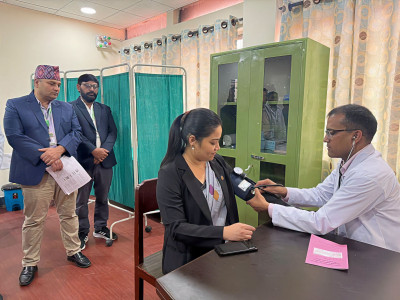
Doctors suggest using clothes according to the weather, drinking enough water and consuming liquid-based diets, eating fruits, vegetables, and nutritious food, using masks to protect against dust and pollution, protecting children and the elderly from the effects of temperature, and getting checked at a health institution immediately if symptoms appear.
According to experts, the impact of seasonal change is seen even faster in a country with geographical diversity like Nepal. Therefore, they state that this time should be considered a sensitive period for health management rather than just a simple weather change.
Doctors conclude that the risk of infection can be reduced to a great extent if health awareness, hygiene, and timely treatment are adopted.