Only a Directly Elected Executive Presidential System Will Establish Stable Governance: Upendra Yadav

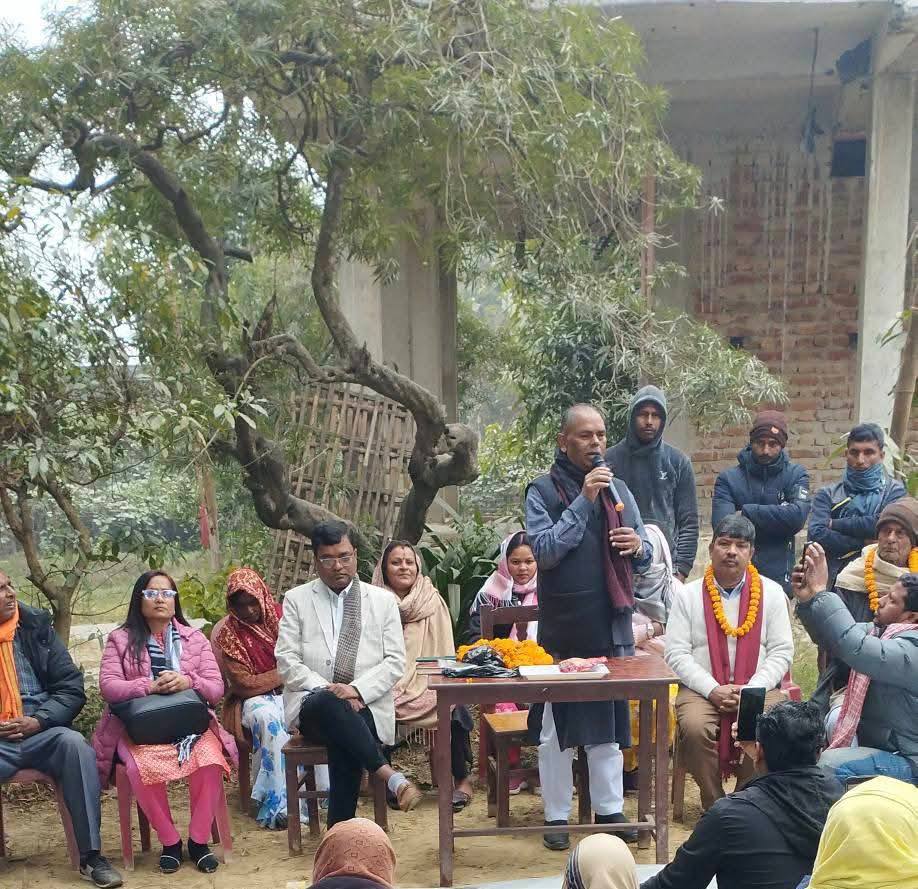
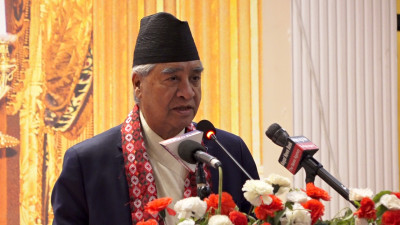
Saptari, February 1 — Upendra Yadav, Chairman of the Janata Samajwadi Party (JSP) Nepal, has claimed that only a directly elected executive presidential system can establish a stable, strong, and accountable governance system in the country.
Yadav, who is the Chairman of JSP Nepal and a candidate for the House of Representatives from Saptari Constituency No. 2, clarified during his election campaign on Sunday that his party remains firm in its stance on a directly elected executive presidential system and a parliamentary structure based on proportional inclusive representation.
Continuously involved in election campaigning, Chairman Yadav said, "The situation where governments change repeatedly, ministers are shuffled, and policies and plans are left in limbo is no longer acceptable. The country needs a stable, accountable, and people-oriented governance system. For that, a directly elected executive presidential system by the people has become indispensable."
He argued that the instability of coalition governments in parliamentary practice has seriously affected development, good governance, and economic reform. He stated that governments unable to complete a five-year term get entangled in the power-sharing struggle, and the lack of policy continuity has led to deep disappointment among the people.
Yadav further added, "A directly elected presidential system not only makes governance stable but also makes it directly accountable to the people. Since the president is chosen directly by the people, the source of power is the people, not the party. The first responsibility of a president elected by the people is toward the citizens, not toward the power-sharing agreements made to sustain a government."
In the system proposed by JSP Nepal, the parliament will be entirely based on proportional and inclusive representation. He expressed confidence that this would ensure fair representation for Madhesis, indigenous nationalities, Dalits, women, Tharus, Muslims, backward regions, and marginalized communities.
Recalling that dozens of governments have changed in the past due to flaws in the current governance system, he said, "Many of those governments could not even complete a single year. This has negatively impacted the economy, the investment climate, and administrative stability. As the cycle of making policies only to see them abandoned when the government changes repeats, the people have gained nothing."
As the election approaches, JSP Nepal has been raising the issue of a directly elected executive presidential system as its major political agenda across the country.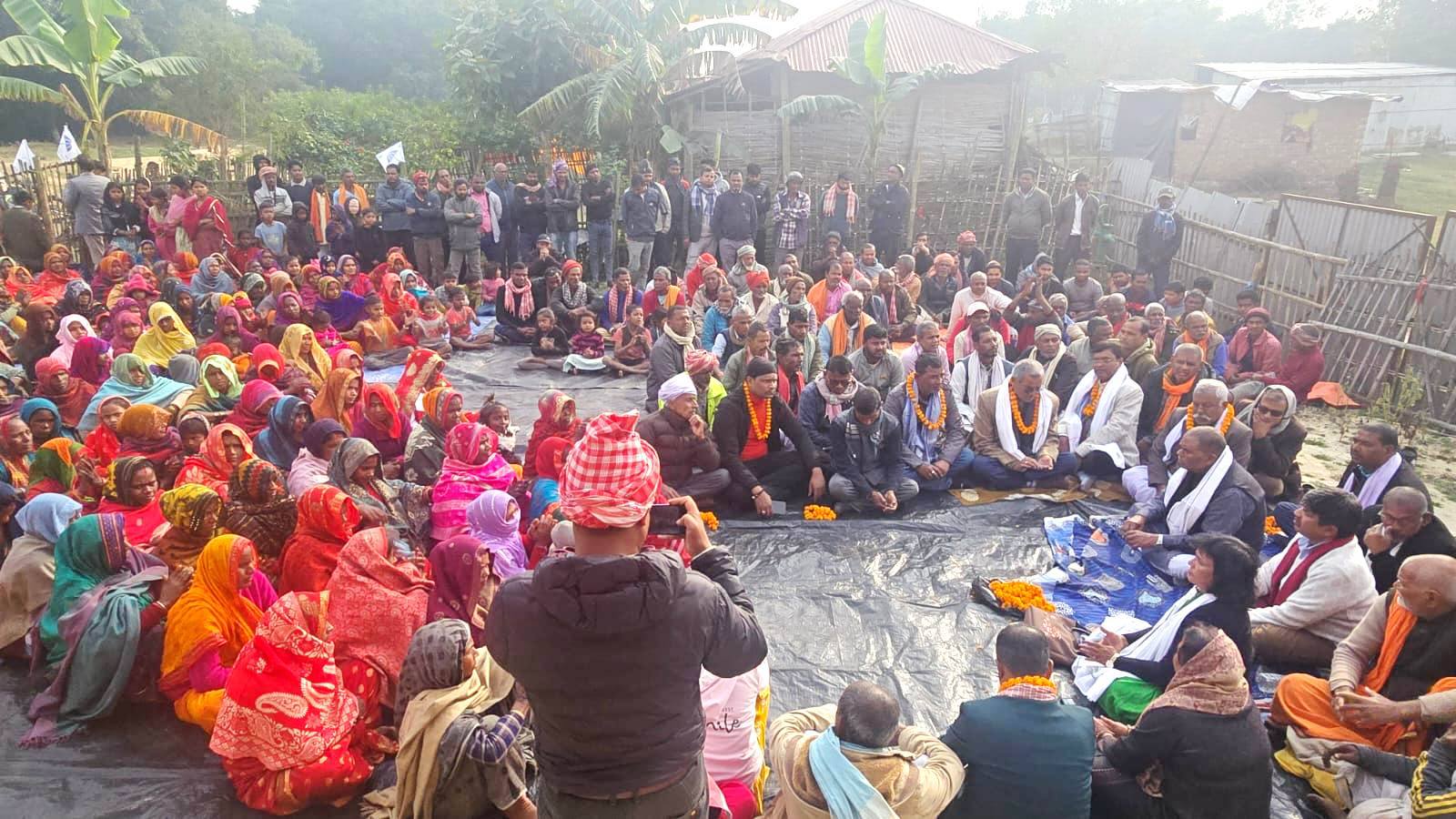
Overnight Rescue Operations Underway at Chilime Tunnel
September 14, 2026
Nepal Esports League Added to Calendar
September 14, 2026
National Children's Rights Day Being Celebrated
September 14, 2026
Bhotekoshi Flood: 1,386 Bodies Recovered
September 13, 2026
Overnight Rescue Operations Underway at Chilime Tunnel
September 14, 2026
National Children's Rights Day Being Celebrated
September 14, 2026
Bhotekoshi Flood: 1,386 Bodies Recovered
September 13, 2026