
Swasthani Brata Concludes Today on Magh Shukla Purnima

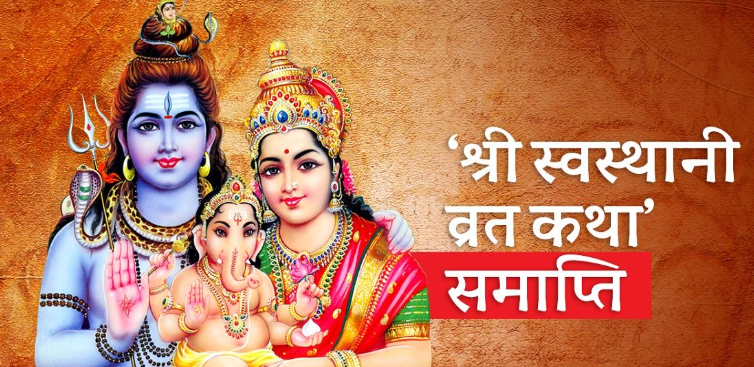
Kathmandu. The month-long Swasthani Brata is being formally concluded today on the day of Magh Shukla Purnima. The Swasthani fast, which began in the homes of Vedic Sanatan Hindu followers on Paush Shukla Purnima, is ending this afternoon following a special puja.
Devotees across the country, who have been daily worshipping Lord Mahadev along with Goddess Parvati during mid-day since Paush Shukla Purnima, are completing their fast today. The tradition of reciting and listening to the Swasthani story—a dialogue between Kumar and Agastya from the Magh Mahatmya of the Kedar Khanda within the Skanda Purana—also comes to an end today.
According to tradition, those who have observed the month-long fast offer 108 sacred threads (janai), 108 betel nuts, 108 betel leaves, 108 flowers, 108 breads (roti), 108 grains of consecrated rice (akshata), along with various fruits, incense, lamps, offerings (naivedya), sandalwood, vermilion, clothes, and monetary offerings to the Goddess, praying for the success of their fast. Among the offerings, eight pieces of each are given to the husband; if there is no husband, to the son; and if there is no son, to a ritual son (mit chora).
If none of these are present, the offerings are released into a nearby holy river with the wish that one's desires be fulfilled.
Devotees also follow the tradition of consuming a fruit-based meal consisting of one hundred breads and staying awake throughout the night. During the night vigil, the glories of the Goddess are recited and heard. There is a religious belief that doing so fulfills one's inner desires.
The literal meaning of Swasthani is the Goddess of the place where one resides. Worshipping the deity of one's own location is Swasthani Puja. There is also a belief that because the period after the winter solstice (Uttarayana) is suitable for meditation and yoga, the practice of connecting with one's "Swasthan" or soul is called Swasthani. The period from Paush Shukla Purnima to Magh Shukla Purnima is considered ideal for this.
According to the fasting legend, Goddess Swasthani is described as golden-complexioned, three-eyed, and four-armed, seated on a lotus and a throne. It is mentioned that among her four hands, she holds a blue lotus in one, a sword in the second, a shield in the third, and the fourth is in the Varada Mudra (boon-giving gesture). It is popularly believed that observing the fast of such a Goddess leads to the reunion of separated couples, the healing of diseases, and the attainment of a desired life partner.
The Swasthani story mentions that in the Satya Yuga, Parvati, the daughter of the Himalayas, performed the Swasthani fast following Lord Vishnu's instructions to obtain Lord Mahadev as her husband. The story also describes how separated Nagas and Naginis were reunited through the influence of the fast.
According to historian Prakash Shrestha 'Saku', who researches the historical, religious, and cultural aspects of Sankhu, Goma Brahmani was freed from the grief of losing her son by performing the fast according to the methods taught by the Saptarishis. The story also notes that her son, Navaraj, became the King of Lawanya Desh (the present-day Sankhu area) due to the power of the fast.
The Madhav Narayan fast, which began at the Shali River in Sankhu on Paush Shukla Purnima, is also being concluded today with an Ashwamedha Yagya. Approximately 162 women and 15 men are participating in this fast. The Newar community also celebrates today as 'Si Punhi'.



President Paudel Performs Puja and Worships Nava Durga Bhawani
October 25, 2026
Kojagrat Purnima is being celebrated nationwide today
October 25, 2026
Traffic Police Penalize 336 Drivers in 24 Hours
October 24, 2026



BP Highway Reopens After Debris Cleared
October 10, 2026