The Indus Water Conflict: Weaponizing Perception and Pakistan’s Legal Defense

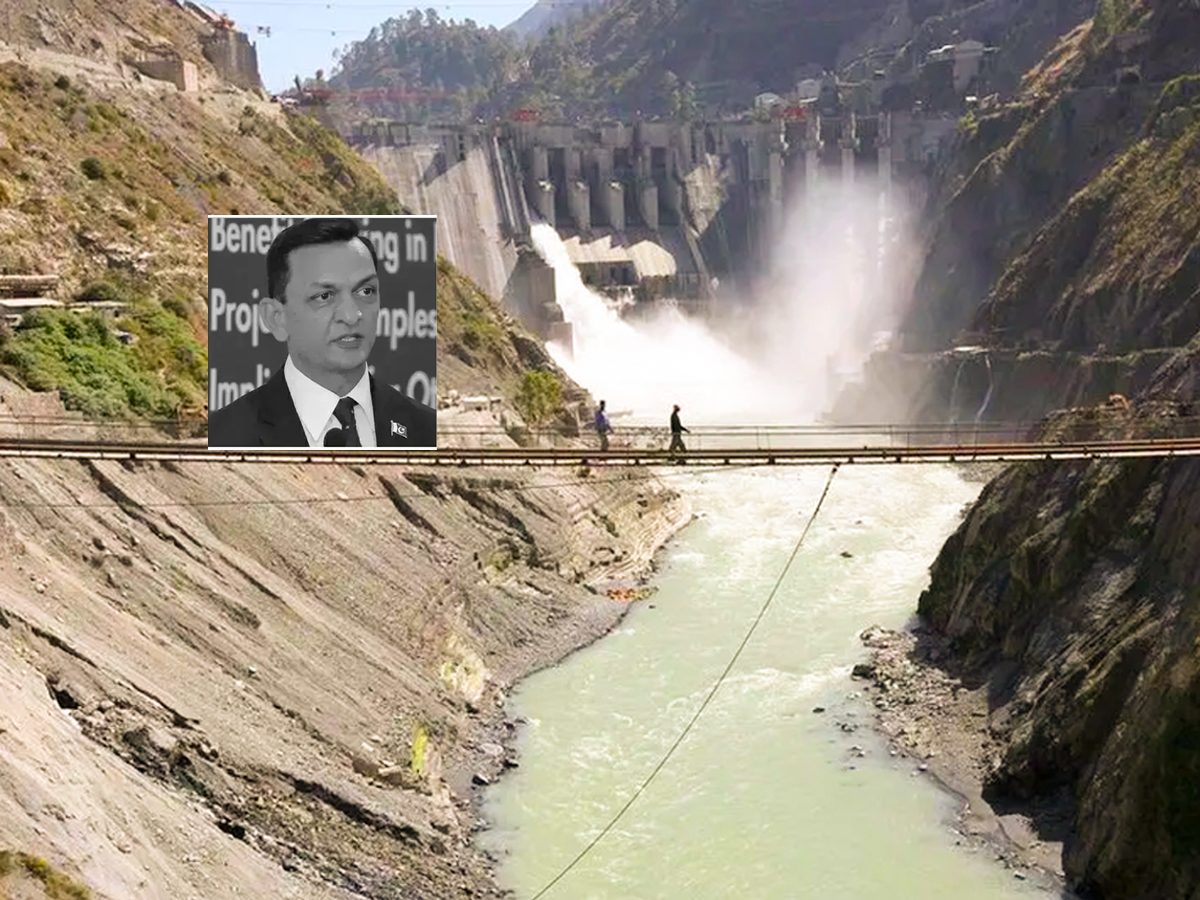
The Indus Waters Treaty (IWT) has survived decades not just of military conflict, but of manufactured fear and political posturing. India has frequently engaged in a cycle of announcing and then quietly shelving ambitious, unviable water projects on western rivers—such as the "Chenab-Beas tunnel"—to gain domestic political capital while stoking insecurity in Pakistan.
While the extreme geography and high costs of these projects make them nearly impossible to build, the accompanying political rhetoric threatening to stop the flow of water entirely goes far beyond the text of the treaty. This weaponization of water directly contradicts international customary law, human rights, and humanitarian norms, especially considering that 220 million Pakistanis rely on the Indus for 90 percent of their crops and essential drinking water.
To counter this aggression, Pakistan can deploy a comprehensive "legal encirclement" strategy across four separate international forums, shifting the dispute from a bilateral treaty argument into a matter of global security and human rights.
First, Pakistan can establish a Court of Arbitration under Article IX of the IWT to argue that Indian designs blocking water flows violate the treaty, seeking compensation and an order to maintain the status quo.
Second, by filing a communication with the International Criminal Court under Article 15, Pakistan can frame the intentional deprivation of water as a war crime under the Rome Statute, which strictly forbids using civilian starvation as a method of warfare.
Simultaneously, the dispute can be brought before the International Court of Justice based on the 1997 UN Watercourses Convention—which mandates equitable river use and prohibits significant harm to co-riparians—to secure provisional measures that halt any Indian diversions during adjudication.
Finally, Pakistan can leverage the UN Human Rights Council by demonstrating how reduced flows displace rural communities and threaten the fundamental rights to life and health, thereby triggering international fact-finding mandates. Ultimately, as climate change accelerates water variability, public literacy on hydrology and strict adherence to international legal frameworks remain the best defenses against escalating perception politics.
The writer is an expert on hydrology and water resources



Three Arrested with Around 367 Kg of Marijuana
August 25, 2026
Iran Claims to Have Doubled Weapon Production
August 23, 2026-1762666201.jpeg)
Three Arrested with Around 367 Kg of Marijuana
August 25, 2026