Bangladesh Approves $2.8B Padma Barrage Amid Rising Water Tensions with India


DHAKA — Bangladesh has approved the first phase of the ambitious US$2.8 billion Padma Barrage megaproject, signaling a strategic shift toward infrastructural self-protection as transboundary water diplomacy with India stalls.
Approved by the Executive Committee of the National Economic Council, the barrage will be constructed at Pangsha in the Rajbari district. The project is designed to retain monsoon water from the Padma River to mitigate severe dry-season water scarcity, counter salinity intrusion, and revive five major river systems in southwestern Bangladesh.
The timing of the project is highly symbolic, coming right after "Farakka Day"—which commemorates the 1976 protests against India's diversion of Ganges water—and just months before the landmark 1996 Ganges Water Sharing Treaty expires in December 2026.
Analysts view the megaproject as a tacit admission by Prime Minister Tarique Rahman’s government that diplomacy alone can no longer guarantee downstream water security. However, environmentalists and hydrologists warn that the barrage cannot manufacture water.
Its ultimate success remains entirely dependent on securing a reliable, climate-resilient successor treaty with New Delhi, alongside overcoming massive engineering challenges like heavy Himalayan sedimentation.




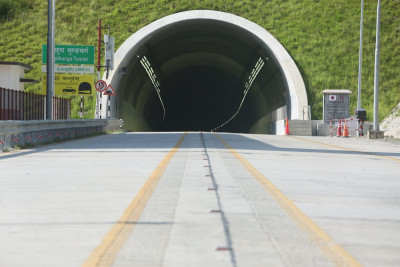
Nagdhunga Tunnel Route to Collect Toll Fees from Kartik 15
October 29, 2026
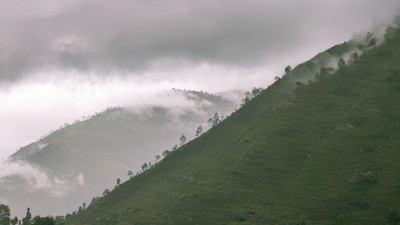
Today, generally cloudy across the country
October 28, 2026
Tarun Dal Cleans Sankata Temple Premises on Its Establishment Day
October 27, 2026
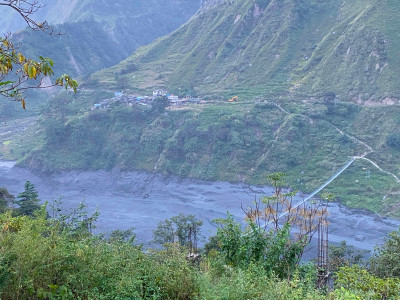
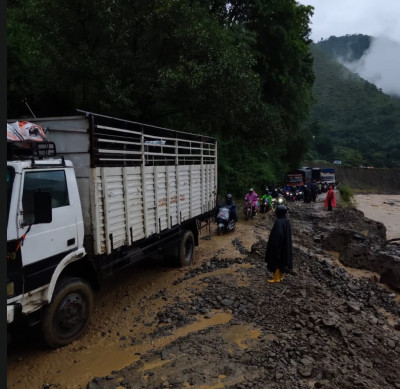
BP Highway Reopens After Debris Cleared
October 10, 2026