
Maghe Sankranti: The Transition of the Sun and Cultural Traditions

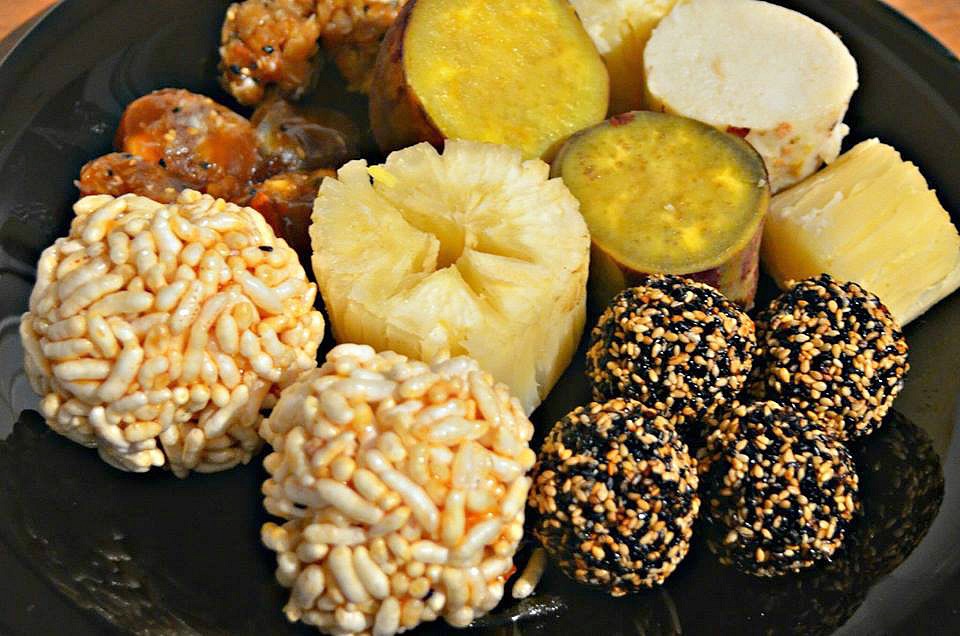
Kathmandu - Magh 1 is called Makar (Maghe) Sankranti because it is the day the sun enters Capricorn (Makar Rashi) from Sagittarius (Dhanu Rashi).
Since Uttarayana (the northward journey of the sun) begins on Magh 1, the nights start becoming shorter than the days. Bathing, chanting, penance, meditation, and charity on the day Uttarayana begins are considered merit-yielding.
Therefore, crowds of devotees gather today for a holy bath in places like Devghat, Trishuli, Kaligandaki, Bagmati, Indrawati, Triveni, and Ridi. Special fairs are also organized in these locations today. Residents of the Terai region celebrate Magh 1 as "Nahan" or the festival of bathing. Even those in the Terai who may not find the environment suitable for bathing throughout the year hold the belief that they must mandatorily bathe today.
There is a religious belief that bathing at a pilgrimage site early in the morning and donating sesame seeds yields merit equivalent to donating gold. According to theologian Prof. Toyraj Nepal, the scripture Dharmasindhu mentions that individuals who do not eat ghee, chaku, sesame dishes, and khichdi, or who fail to donate, bathe in a reservoir, and meditate on Magh 1, will remain sickly throughout their lives.
Performing auspicious deeds after Uttarayana begins is considered ideal. There is a public belief that those who bathe, donate, fast, and meditate today will gain merit and have their wishes fulfilled. On Maghe Sankranti, it is customary to eat ghee, chaku, sesame dishes, yams, spinach, and khichdi.
Since these foods provide warmth during the winter, hot dishes are consumed during this festival that falls in the cold season. Ayurvedic doctors state that these foods eliminate the "Tridosha" (imbalances in the body).
In various places, there is also a tradition of cooking yams on the last day of Poush to eat in Magh. This is reflected in the proverb "Cooked in Poush, eaten in Magh." It is believed that massaging the body with sesame oil today expels toxic substances. According to Ayurvedic principles, massaging with sesame oil can keep the body's pulses, nervous system, and bones strong and healthy.
Death occurring after the sun moves into Uttarayana is considered auspicious. It is said that Bhishma, who had reached his deathbed in the Mahabharata war, gave up his body only after the sun's northward journey began, as per his boon of voluntary death. Today, a fair is also held at Tilmadhav Narayansthan in Bhaktapur.
The Magh Mahatmya (greatness of Magh) also holds great importance during this month. Under the Magh Mahatmya of the Skanda Purana, the dialogue between Kumar and Agastya in the Kedarkhand—the recitation of the Swasthani story—begins from the full moon day of Poush Shukla. This sequence continues until the full moon day of Magh Shukla.
According to the Nepal Panchanga Nirnayak Bikas Samiti, the Shri Swasthani Brata Katha has already started this year from the full moon of Poush Shukla, which was Poush 19. Those observing this fast bathe throughout the lunar month of Magh and worship Lord Mahadev daily at midday. Therefore, this is also called Magh Snan (Magh bath).
On the occasion of Maghe Sankranti, the Ministry of Agriculture and Livestock Development is also celebrating National Agricultural Genetic Biodiversity Day. This day began being celebrated last year because root vegetables like yams, sweet potatoes, taro, and wild yams are consumed on Magh 1.
President Paudel Performs Puja and Worships Nava Durga Bhawani
October 25, 2026
Kojagrat Purnima is being celebrated nationwide today
October 25, 2026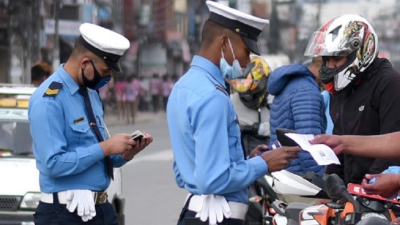
Traffic Police Penalize 336 Drivers in 24 Hours
October 24, 2026
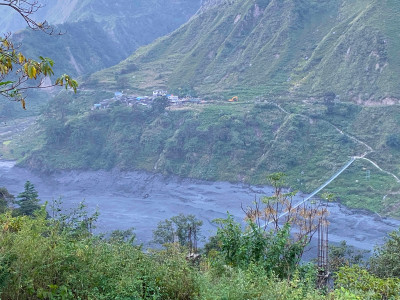
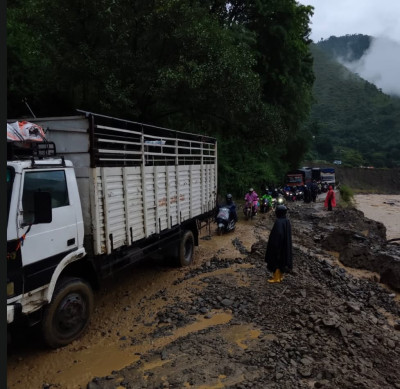
BP Highway Reopens After Debris Cleared
October 10, 2026