
Appeal to Celebrate Maghe Sankranti by Connecting it with Civilization, Values, and Culture

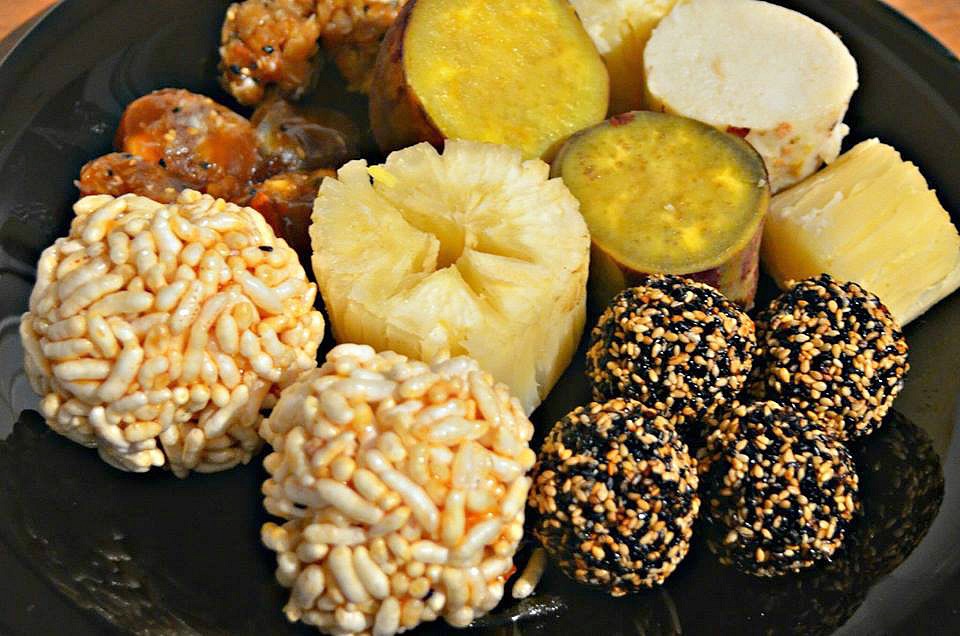
Kathmandu – The Bishwa Hindu Parishad has urged everyone to celebrate the Maghe Sankranti festival by connecting it with civilization, values, and culture.
The Parishad requested that the Maghe Sankranti festival, celebrated every year on the first day of Magh, be observed according to one's own civilization, values, and culture.
Nepalis have been celebrating this festival according to their respective cultures under names such as Maghe Sankranti, Makar Sankranti, and Maghi.
In astrology, it is also called Makar Sankranti because the sun enters Capricorn (Makar Rashi) from Sagittarius (Dhanu Rashi) starting from Maghe Sankranti. People from all regions of Nepal, including Bahun, Chhetri, Rai, Magar, Limbu, Newar, Gurung, and Tharu, celebrate it according to their own traditions.
Deepak Acharya, the Gandaki Province Coordinator of Bishwa Hindu Parishad, states that the significance and cultural aspects of the Makar Sankranti festival should be kept at the center.
"Makar Sankranti is not just a sign of seasonal change, but a scientific, religious, and cultural festival associated with the sun's northward journey (Uttarayan)," he said. "Since the days become longer and nights shorter from this day, it should be taken as an opportunity for positive energy, new thinking, and lifestyle improvement."
According to Coordinator Acharya, Makar Sankranti serves to connect families, societies, and communities with one another. He mentioned that traditional dishes eaten during Maghe Sankranti, such as sesame seeds, chaku (molasses), ghee, yam, and jaggery, are also beneficial from a health perspective.
Texts such as Bhavishya Purana, Vishnuvachan, and Dharmasindhu mention that taking a bath on this day and donating "Sida" (holy offerings) including ghee, chaku, sesame laddoos, leafy vegetables, yam, clothes, water pots, and heaters results in special blessings. It is also mentioned that consuming these foods makes the body nutritious and healthy.
He emphasized that because original traditions are being overshadowed by modern lifestyles and external influences, such festivals should be celebrated as a means of preserving one's identity.
For social harmony, mutual respect, and cultural continuity, he requested that Makar Sankranti be celebrated in a simple and dignified manner by connecting it with values and awareness rather than religious ostentation.
He believes that Makar Sankranti can be celebrated as an opportunity to help the new generation understand the importance of culture while embracing their own traditions, values, and beliefs.


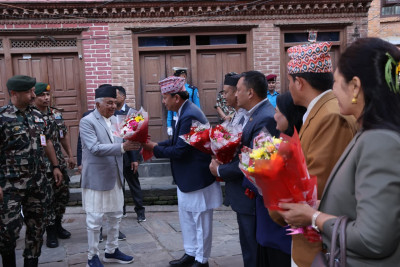
President Paudel Performs Puja and Worships Nava Durga Bhawani
October 25, 2026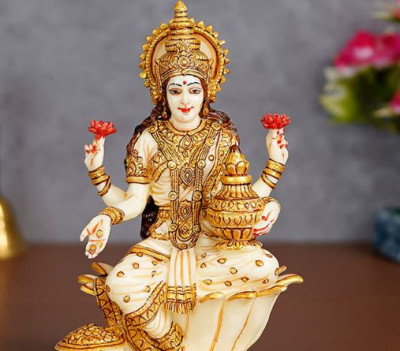
Kojagrat Purnima is being celebrated nationwide today
October 25, 2026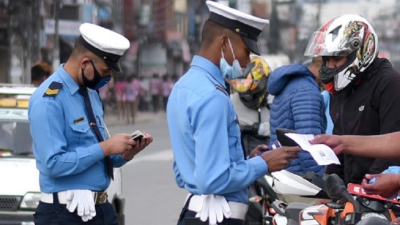
Traffic Police Penalize 336 Drivers in 24 Hours
October 24, 2026



BP Highway Reopens After Debris Cleared
October 10, 2026