Kulman Ghising Explains Resignation and Achievements

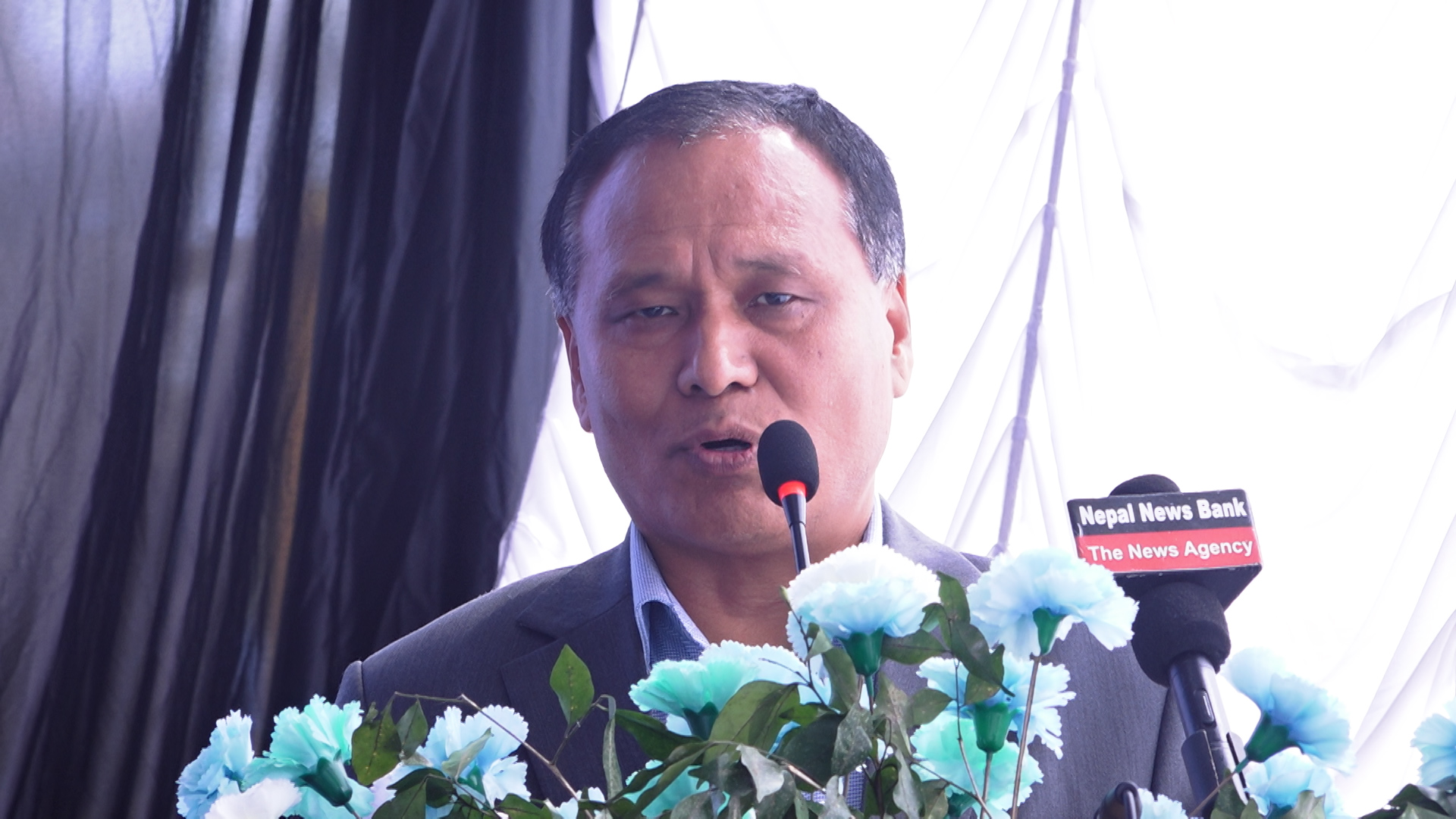
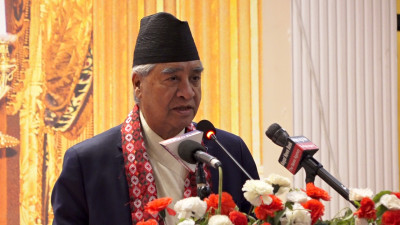
Kathmandu: Kulman Ghising, who resigned as the Minister for Energy, Water Resources and Irrigation, Physical Infrastructure and Transport, and Urban Development, clarified that his decision was not about running away or avoiding responsibility but was instead a continuation of his self-respect, ethics, and commitment to the people.
After serving for 115 days in the government formed following the Gen Z movement, Ghising held a press conference where he stated that self-respect sits above any position and the people are greater than any government. He explained that his resignation is an act of sticking to his principles and that he believes his true duty is to stand for the country and its citizens whether he is in office or not.
He noted that he became a minister at the request of the Prime Minister and according to the wishes of the Gen Z movement, expressing gratitude to the Prime Minister and the youth who stood for change. He also clarified that while there was an agreement between the Ujyaalo Nepal Party and the Rastriya Swatantra Party, he has not yet taken formal membership in any party.
During the conference, Ghising denied allegations that he resigned because of pressure to appoint his own people, calling such claims planned rumors. He reminded everyone that there is a history of people contesting elections while holding positions in interim governments and asked that his decision not be seen as unusual.
Despite his short time in office, he claimed to have built a strong foundation for policy reform. He highlighted several achievements, such as expanding irrigation to 22,500 hectares of land in Sarlahi and Rautahat through 500 deep tube wells and ensuring farmer investment in projects like Rani Jamara Kulariya.
He also mentioned creating an environment for importing and exporting an additional 5,000 megawatts of electricity through the Nepal-India transmission line and expanding electricity exports to Bangladesh.
Furthermore, he noted that long-stalled construction contracts were canceled to restart the building process, and projects like Sunkoshi-Marin, the Kankai bridge, the Hulaki Highway, and the Kamala bridge gained new momentum. He cited improvements in Bancharedanda waste management, Melamchi water supply, the opening of the Kodari border, and the operation of the BP Highway.
He claimed that the state's presence in managing monsoon-related disasters was effective and that timely information and preparation prevented major damage.
Ghising concluded by declaring that even though he is leaving his post, he will not turn away from the nation's interest or the path of truth, and he announced that he will enter his political journey even more strongly to build a bright Nepal.
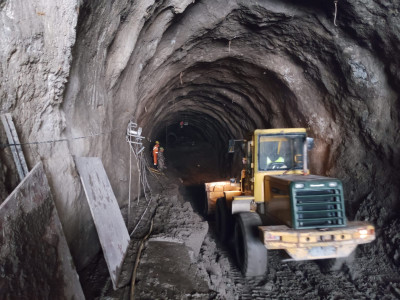
Overnight Rescue Operations Underway at Chilime Tunnel
September 14, 2026
Nepal Esports League Added to Calendar
September 14, 2026
National Children's Rights Day Being Celebrated
September 14, 2026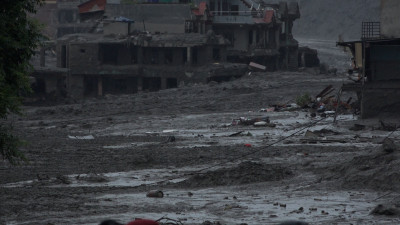
Bhotekoshi Flood: 1,386 Bodies Recovered
September 13, 2026
Overnight Rescue Operations Underway at Chilime Tunnel
September 14, 2026
National Children's Rights Day Being Celebrated
September 14, 2026
Bhotekoshi Flood: 1,386 Bodies Recovered
September 13, 2026