Election Commission Issues Vehicle Permit Procedure for Upcoming Elections

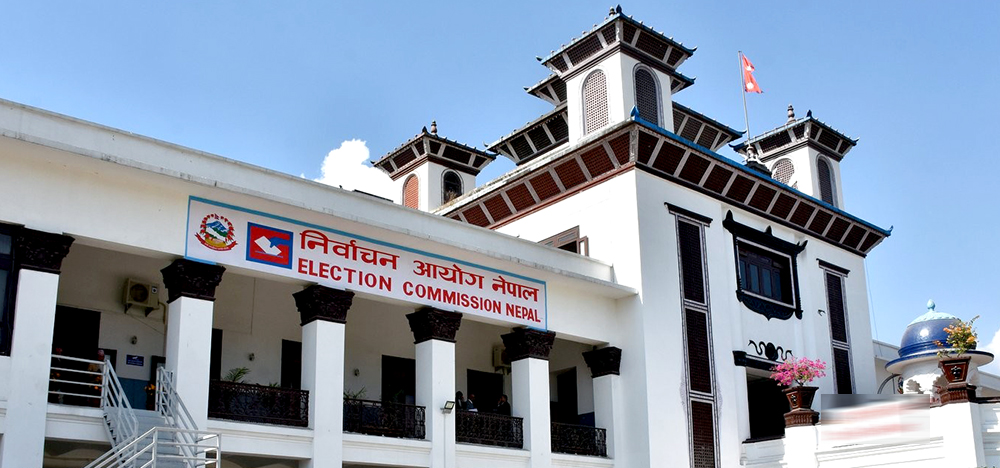
Kathmandu: The Election Commission has issued the ‘Vehicle Permit Procedure, 2082’ targeting the House of Representatives member elections scheduled for Falgun 21. The Commission released this procedure with the aim of strictly regulating the use of vehicles during the election period.
The Commission stated that the procedure was implemented to make the use of vehicles organized, dignified, and controlled during the election campaigning period and on polling day. The procedure was brought forward to clarify the permit process for vehicles used for election purposes by political parties, candidates, or their representatives.
According to the procedure approved by the Commission on February 3 (Magh 20), political parties, candidates, or election representatives wishing to use vehicles must submit an application in the prescribed format to the respective Election Officer. Based on the application, the Election Officer will issue permits within the specified limits.
Under the procedure, candidates for the House of Representatives or Provincial Assembly may use a maximum of two light vehicles—two-wheelers, three-wheelers, or four-wheelers (electric or mechanical). In areas where motor vehicles do not operate, a maximum of four horses may be used.
Regarding local level elections, candidates for Mayor or Deputy Mayor of Metropolises and Sub-Metropolises may use two light vehicles, while candidates for Mayor/Deputy Mayor of Municipalities and Chairperson/Vice-Chairperson of Rural Municipalities will be permitted to use one light vehicle. Ward Chairpersons and Ward Member candidates may use one vehicle to be operated only within their respective wards.
The procedure mandates that permits issued for election campaigning must explicitly state that vehicles cannot be used during the silence period. If a vehicle is used without a permit or if a permitted vehicle is driven during the silence period, such vehicles will be impounded and returned only after the completion of the election. For this purpose, the District Code of Conduct Monitoring Committee will conduct regular monitoring and direct the local administration to seize vehicles in case of violations.
On polling day, no vehicles other than those with permits will be allowed to operate. However, this regulation will not apply to air flights.
On polling day, permits may be granted to candidates, security personnel, officials of constitutional bodies, media, observers, diplomatic missions, United Nations agencies, foreign tourists, international organizations, observers, monitors, distinguished guests, and other agencies or individuals designated by the Commission.
In Kathmandu district, the permit process will be managed through an integrated vehicle movement desk established at the Commission premises, while in other districts, the District Administration Office will issue permits in coordination with the Chief Election Officer.
According to the procedure, vehicles with foreign number plates will not be permitted for election campaigning purposes.
Essential service vehicles such as ambulances, fire engines, drinking water tankers, milk transport vehicles, hearses, hospital services, telecommunications, and electricity services, as well as diplomatic mission vehicles with 'CD' number plates, will not require a permit.
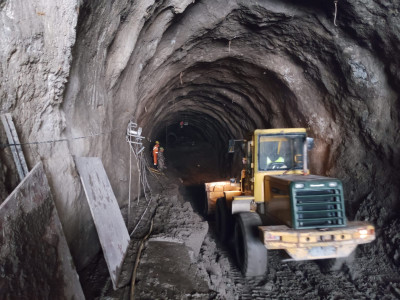
Overnight Rescue Operations Underway at Chilime Tunnel
September 14, 2026
Nepal Esports League Added to Calendar
September 14, 2026
National Children's Rights Day Being Celebrated
September 14, 2026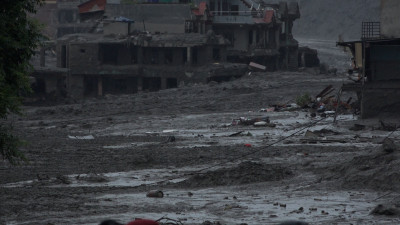
Bhotekoshi Flood: 1,386 Bodies Recovered
September 13, 2026
Overnight Rescue Operations Underway at Chilime Tunnel
September 14, 2026
National Children's Rights Day Being Celebrated
September 14, 2026
Bhotekoshi Flood: 1,386 Bodies Recovered
September 13, 2026