New Vision for Nepal Overcoming Current Deadlock

-1762666201.jpeg)
by Dr. Saroj Joshi
Nepal today stands at a historic crossroads. Decades of political instability, corruption, and nepotism have left the nation struggling to fulfill its potential. Old politicians continue to rely on conventional approaches that have repeatedly failed, while the younger generation, having witnessed these shortcomings firsthand, cannot follow the same paths.
They demand honesty, accountability, and a vision rooted in patriotism and self-reliance. Nepal must build its future through its own efforts. Foreign countries will not and should not develop Nepal for free. Progress must come from Nepalis, guided by Nepalis, without compromising sovereignty or independence.
Political and Economic Context:
Nepal has long faced political gridlock and public dissatisfaction. Youth-led movements in recent years have highlighted frustration over corruption, unemployment, and lack of opportunities. These protests underline a growing impatience with ineffective leadership and signal a demand for systemic change.
Economically, Nepal remains a lower-middle-income country, with a GDP of roughly $42–45 billion and per capita income of $1,300–$1,460. Growth rates of 3–4% lag behind regional peers. Heavy reliance on remittances supports households but fails to create enough domestic jobs, forcing many young Nepalis to work abroad. This dependency limits national development and drains the country of critical talent.
Immediate Solutions to Political Deadlock:
The current political deadlock cannot be resolved through mere elevations or reshuffling of existing leaders. A lasting solution requires bringing new, educated, and patriotic leaders into governance. These should include scholars, scientists, and experts from across Nepal’s districts, representing all nationalities and communities.
Nepal must form a broad-based leadership council that prioritizes talent, meritocracy, and inclusive representation over personal connections or political loyalties. Such a council could facilitate immediate decisions on governance, policy, and national development, ensuring that capable minds are at the table while respecting the diversity of Nepal’s population.
A Vision for Self-Reliance and Meritocracy:
Nepal possesses enormous potential in energy, tourism, agriculture, and manufacturing. Political instability and entrenched favoritism have prevented this potential from being realized.
The younger generation recognizes that true progress requires self-reliance, integrity, and talent-based governance. Leadership and strategic roles must be filled based on ability and merit, eliminating nepotism and favoritism.
Key Pillars of Transformation:
1. Economic Development:
Nepal must industrialize, strengthen energy production from hydro, solar, and wind sources, develop value-added agriculture industries, and modernize tourism sustainably. This approach will generate domestic jobs, retain talent, and reduce dependency on foreign labor markets.
2. Education and Human Capital:
The country must ensure free, quality education from primary through advanced levels, including programs for elite scholars, scientists, Engineers, Doctors, Technicians, Lawyers, Environmentalists, future leaders plus. Education should integrate modern technologies and research, foster innovation, and instill patriotism, leadership, and civic responsibility. Special attention must be given to children & Children with special needs.
3. Talent-Based Governance:
Government policies should prioritize merit over connections, ensuring that decisions, leadership positions, and strategic roles are filled by capable individuals. This meritocratic approach will strengthen institutions, improve governance, and accelerate national development.
4. Social Safety and Inclusion:
A prosperous society guarantees dignity for all. Policies must provide free healthcare, affordable transport, employment protections, and pension schemes. Inclusive programs will create equality and long-term social stability.
5. Security and Border Management:
Nepal must maintain a professional military and border patrol system to protect sovereignty and internal stability. Recruitment and advancement should be based on talent, skills, and dedication, rather than personal connections.
6. Unity and Patriotism:
Nepalis must view differences regional, cultural, or generational as strengths. Unity, guided by integrity, civic responsibility, and youth leadership, will empower the nation to harness the full potential of its people.
A Path Forward:
Nepal’s youth have demonstrated the vision and determination needed for change. Structural reforms that tackle corruption, nepotism, and economic stagnation are essential.
Immediate steps to address political deadlock include bringing new scholars, elite leaders, and representatives from all nationalities and districts into governance, ensuring decisions are based on talent and national interest, not political favoritism.
By investing in elite talent, education, industry, energy, and social inclusion, Nepal can lift citizens from poverty, increase GDP and GNP, and build a dignified standard of living.
Nepal’s future lies in self-determination, meritocracy, and patriotic leadership. United across differences and guided by capable hands, Nepal can emerge as a secure, prosperous, and independent nation built by Nepalis, for Nepalis.
-1762666201.jpeg)

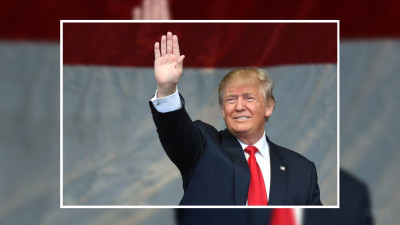
IMEC Necessary to Remove Energy Dependence on Iranian Chokepoints: Trump
September 23, 2026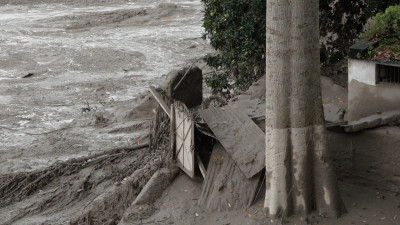
Rasuwa Flood: Death Toll Reaches 1,451, Over 5,705 Still Missing
September 23, 2026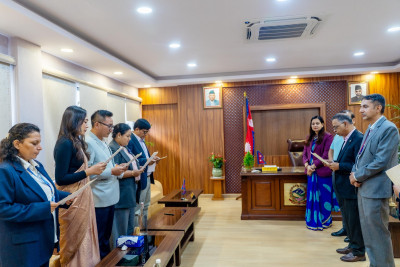
6 Members Appointed to B.P. Koirala Memorial Cancer Hospital
September 22, 2026
Rasuwa Flood: Death Toll Reaches 1,451, Over 5,705 Still Missing
September 23, 2026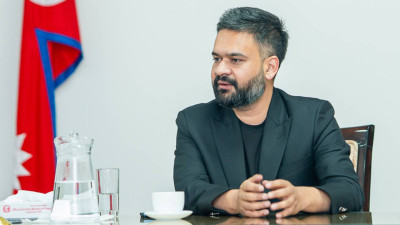
Breaking Tradition, Prime Minister Shah Skips Ceremonial Farewells
September 22, 2026