Ancient Martial Arts from Egypt & Modern Martial Arts from Nepal: Tracing the Global Lineages

-1762666201.jpeg)
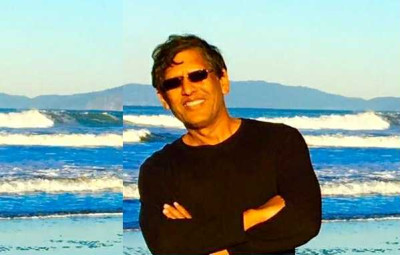
By Dr. Saroj K. Joshi
Contact: [email protected]
Martial arts have historically been intertwined with philosophy, meditation, and cultural exchange. Dr. Saroj Joshi’s research identifies two distinct lineages:
- Ancient Martial Arts – originating in Egypt, spreading through Greece, India, and China.
- Modern Martial Arts – emerging from Lumbini, Nepal, through Buddhist monastic influence, evolving into contemporary systems worldwide.
These discoveries are accompanied by the introduction of the Extended Star and the Martial Arts Triangle, offering new cultural, spiritual, and economic opportunities globally.
Ancient Martial Arts Lineage:
Evidence indicates that Egypt was the earliest known origin of martial arts. The Beni Hasan tombs (c. 2000–1900 BCE) depict wrestling techniques including grappling, throws, and pins, providing the earliest visual proof of martial practice.
Chronology (Ancient Martial Arts):
- 2000–1900 BCE, Egypt: Beni Hasan Wrestling – Tomb paintings – Grappling, throws, pins
- 2000–1000 BCE (oral), 400 BCE+ (written), India: Malla-yuddha – Textual/oral – Wrestling, grappling
- c. 2500–500 BCE, China: Early Chinese military combat – Bronze inscriptions, texts – Archery, spear fighting, unarmed combat
- c. 648 BCE, Greece: Pankration – Vase paintings, texts – Striking + grappling; Olympic Games
- c. 2500–500 BCE, India: Ramayana combat stories – Textual – Archery, swordsmanship, hand-to-hand combat
Ancient Extended Star (Text Star Diagram):
● Athens, Greece
(38°N, 23°E)
/
/
● Cairo, Egypt (30°N, 31°E)
\
\
● Chang’an, China (34°N, 109°E)
\
\
● Pataliputra, India (26°N, 85°E)
Modern Martial Arts Lineage:
Modern martial arts trace their origin to Lumbini, Nepal, the birthplace of Siddhartha Gautama (Buddha, c. 563–483 BCE). Early Buddhism emphasized meditation, ethical discipline, and mental focus. Later Chinese scholars recorded that Buddha’s practices included physical conditioning and martial arts techniques, which inspired the “18 Iron Hands” exercises taught in Shaolin.
( Bodhidharma, the legendary monk, transmitted Buddha’s teachings to the Shaolin Temple, systematizing meditation, discipline, and physical exercises. These practices are documented and associated with the Yijin Jing (5th–7th century CE), plus other Chinese scholars linked Shaolin exercises, meditations back to Buddha’s original spiritual and physical training principles. )
- 1st–4th century CE, India → China: Buddhism spreads along Silk Road – Introduction of physical control and monastic exercises
- 5th–6th century CE, China: Shaolin Temple established – Monks practice self-defense, meditation; Bodhidharma influence
- 6th–7th century CE onward, China: Shaolin Kung Fu develops – Systematization of hand-to-hand combat, weapons, and meditation
- 10th–14th century CE, China: Martial arts manuals appear – Structured combat training; influence spreads to East and Southeast Asia
- Modern era, Global: Buddhist principles integrated into martial arts – Karate, Kung Fu, Kungchido, Aikido, and other systems
Modern Martial Arts Triangle (Text Diagram if join all highlighted circles it will a Martial arts triangle ):
● Hunan, China (28°N, 112°E)
/
/
● Kanchipuram, India (12°N, 79°E)
\
\
● Lumbini, Nepal
Kungchido: Integrating Chronology and Practice:
Kungchido represents a comprehensive system integrating historical knowledge, meditation, and martial techniques. It codifies both ancient Egyptian origins and the modern Buddhist-influenced system from Nepal, preserving the lineage for future generations.
Shaolin monks’ practices, including the “18 Iron Hands”, reflect a historic connection to Buddha’s teachings, preserved in texts such as the Yijin Jing, ensuring an accurate historical lineage.
Dr. Saroj Joshi is successful not only in giving the world a new free martial arts system (Kungchido) but also in discovering the Modern Martial Arts Triangle and the Ancient Extended Star, providing new business models, promoting tourism, creating millions of jobs, and generating billions in economic impact globally.
Economic and Cultural Impact:
By establishing the Modern Martial Arts Triangle and the Ancient Extended Star, these concepts offer:
- Tourism development focused on martial arts and spiritual heritage
- Job creation and new economic opportunities worldwide
- Cultural revival of historical and monastic sites
- Promotion of global peace, harmony, and unity through shared heritage and practice
These initiatives demonstrate how martial arts can serve as a cultural, spiritual, and economic bridge between nations.
Summary:
Through over two decades of research, travel, and practice, Dr. Saroj Joshi has documented the first global chronology of martial arts, connecting ancient Egyptian wrestling with modern Buddhist-inspired systems from Nepal. Kungchido preserves this lineage while promoting education, tourism, and cultural exchange, ensuring that martial arts remain accessible and relevant worldwide.
References
- Kungchido, Volumes 1 & 2, Dr. Saroj K. Joshi, 2004
- Beni Hasan Tomb Paintings, Egypt
- Shaolin Monastic Records and Yijin Jing
- Historical texts on Malla-yuddha, Pankration, and Ramayana combat stories
- Huge Potential of Tourism & Employment in Martial arts Triangle LKS
-1762666201.jpeg)
IMEC Necessary to Remove Energy Dependence on Iranian Chokepoints: Trump
September 23, 2026
Rasuwa Flood: Death Toll Reaches 1,451, Over 5,705 Still Missing
September 23, 2026
6 Members Appointed to B.P. Koirala Memorial Cancer Hospital
September 22, 2026
Rasuwa Flood: Death Toll Reaches 1,451, Over 5,705 Still Missing
September 23, 2026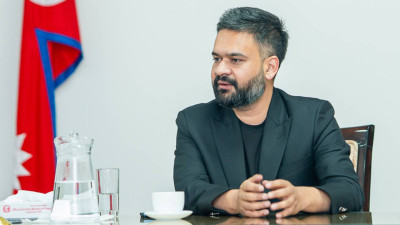
Breaking Tradition, Prime Minister Shah Skips Ceremonial Farewells
September 22, 2026