Finance Minister Wagle Defends Electricity VAT, Dismisses Exaggerated Claims

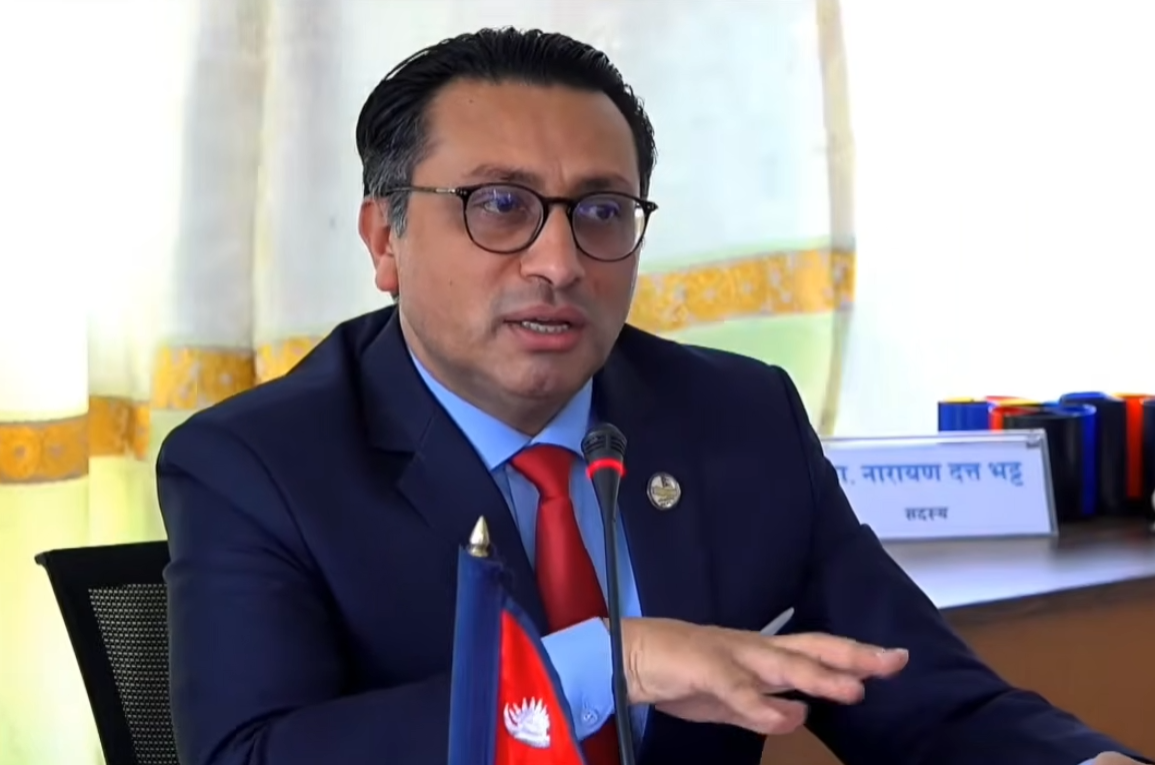
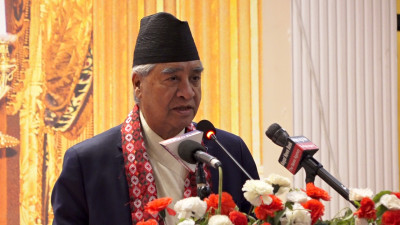
Kathmandu. Finance Minister Dr. Swarnim Wagle has commented that the publicity surrounding the Value Added Tax (VAT) imposed on electricity tariffs has been unnecessarily exaggerated as if "the sky were falling."
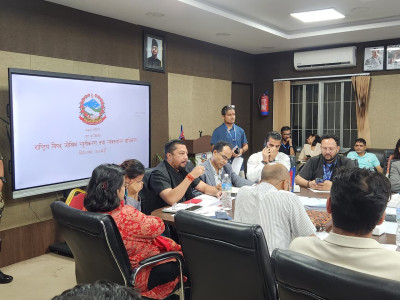
Speaking on Monday at an interaction program on the budget organized by the Nepal Economic Journalists Association (NAFIZ), Finance Minister Wagle stated that the government has dared to make difficult decisions. He mentioned that the additional tax to be paid by consumers consuming up to 150 units of electricity is extremely low, and that it has been presented in an exaggerated manner.
Finance Minister Wagle informed that provisions have been made to reduce taxes on Electric Vehicles (EVs) priced under Rs 5 million, while also acknowledging that a small note was missed in the budget speech.
He said, "It should also be written that this government dared to do what no one else could. How much do you pay for 150 units of electricity? It's not even five percent. 50 units are free. The tax on that is just three percent. When the bill comes to around 800 to 900 rupees, the total tax paid is just 24 rupees. I see publicity here as if the sky has fallen. The budget of the Ministry of Energy is 85 billion rupees. When paying 3,000 rupees, the tax is just 102 rupees. The sky will not fall. We are making big investments. The price of EVs under 5 million rupees is going down; a small note was missed in the budget."
He stated that both time and resources were challenges in formulating this year's budget. He said that since they entered the government in the middle of the month of Chaitra and had to bring the budget in Jestha, they did not get adequate time. He added that discussions were held on many topics not included in the budget, but matters requiring adequate study were kept for next year.
He said, "The challenges in this year's budget were less time and another was the challenge of resources. We came in Chaitra and had to bring the budget in Jestha, so not much time was available. It's not that discussions were not held on some sectors where the budget didn't reach. For some things, we decided not to proceed without proper study, so they have been kept for next year. There is a plan on what to do for five years; currently, we have given higher priority to laying the foundation."
Finance Minister Wagle acknowledged that public expectations are high due to a government with a two-thirds majority, but argued that a balanced budget was brought according to resources and capacity. "Some have also said the budget is ambitious. This year there is a two-thirds majority government, and expectations have soared. A budget of 2.5 to 2.6 trillion rupees could perhaps have been brought at 35 percent of the GDP ratio. But available resources also need to be considered. Therefore, we have brought a balanced and relatively small budget," he said.
He claimed that the government has not brought a debt-dependent budget and has prioritized internal resource mobilization instead. Wagle mentioned that the current government also has to bear liabilities worth hundreds of billions of rupees created by past governments, and that they cannot just introduce new programs while ignoring old plans. However, he claimed that despite limited resources and liabilities, the government has succeeded in including many transformative projects and programs in the budget.
He said, "This time it is not dependent on debt. We have said we will mobilize our internal resources ambitiously. We need to get out of the illusion and bogeyman created around 'debt-debt'. Past liabilities have also weighed us down. We are carrying liabilities worth hundreds of billions. It is the public's money, so it must be fulfilled. We cannot just walk away leaving behind what old parties brought and only doing new things. Yet, even within those limitations, we have brought many transformative projects."
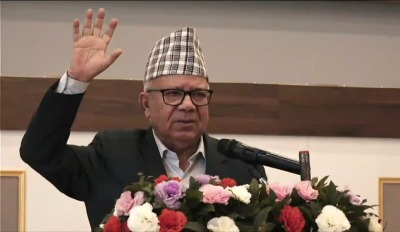
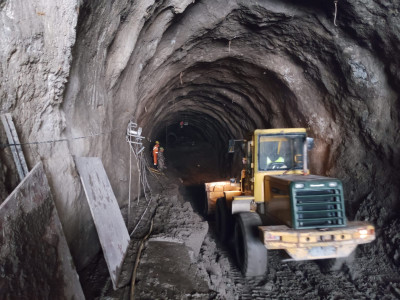
Overnight Rescue Operations Underway at Chilime Tunnel
September 14, 2026
Nepal Esports League Added to Calendar
September 14, 2026
National Children's Rights Day Being Celebrated
September 14, 2026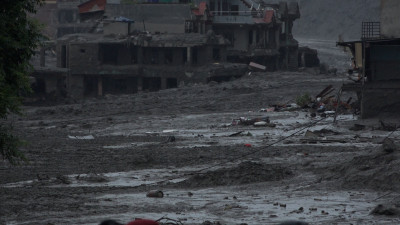
Bhotekoshi Flood: 1,386 Bodies Recovered
September 13, 2026
Overnight Rescue Operations Underway at Chilime Tunnel
September 14, 2026
National Children's Rights Day Being Celebrated
September 14, 2026
Bhotekoshi Flood: 1,386 Bodies Recovered
September 13, 2026