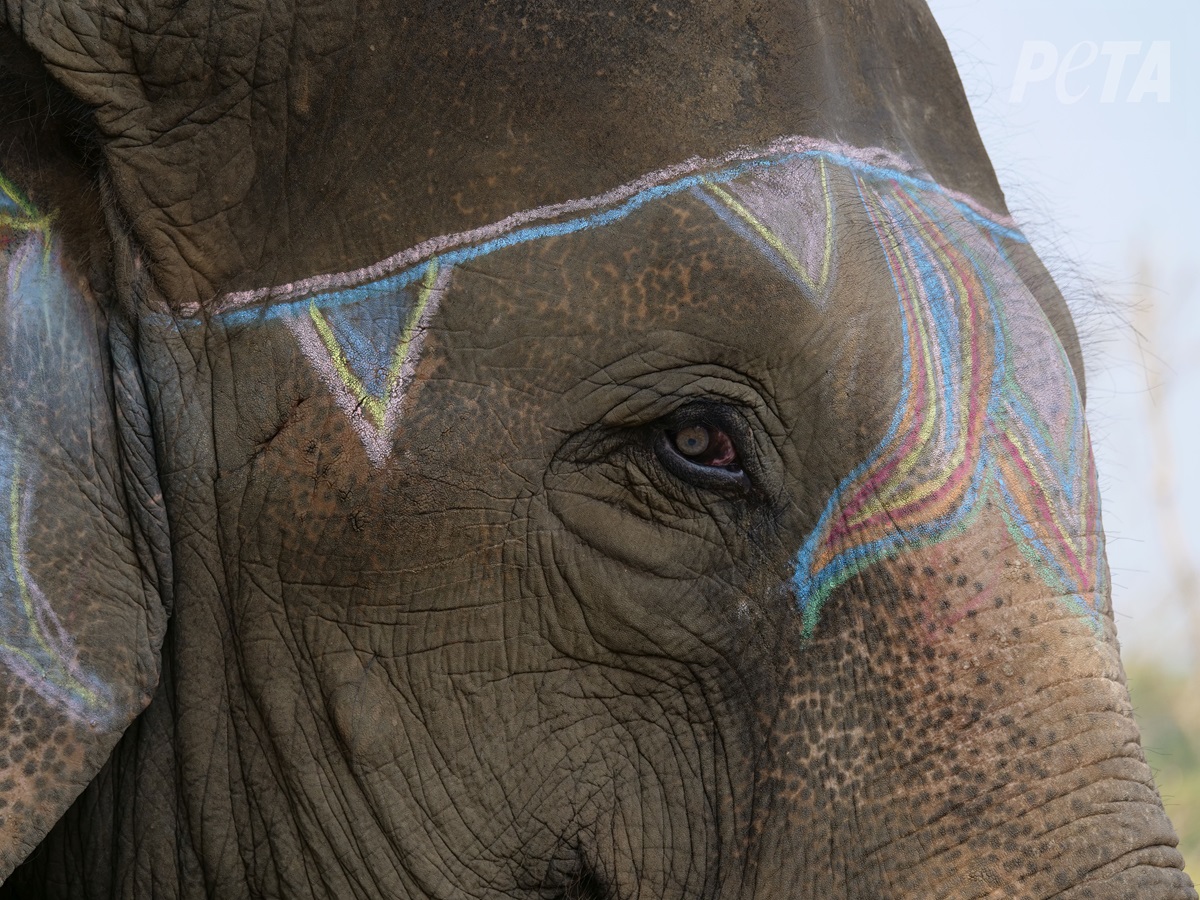
The Chitwan Elephant Festival must end its abuse of elephants

Sunny Leone
Since every single major sponsor of the Chitwan Elephant Festival has now distanced themselves from the event and committed to never sponsoring or supporting it in any way in the future, it’s clear that momentum is shifting.
These companies include car manufacturing giant BYD, Nepal’s leading domestic airline, Buddha Air, as well as Varun Beverages – one of the largest franchisees of PepsiCo in the world – Nepal Investment Mega Bank, Mahalaxmi Bikas Bank, NLG Insurance, Manakamana Darshan, and TechMinds Network, Nepal’s leading internet service provider.
Their decisions to cut ties with the festival send a powerful message: the Chitwan Elephant Festival is nothing to celebrate because elephants are beaten, tortured, and broken for it. In fact, it’s a shameful disgrace. Nepal must put an end to forcing elephants to perform unnatural tricks for the amusement of a gawking audience at this event.
Elephants possess the largest brains of all land mammals, including humans. They are keenly intelligent animals with a level of self-awareness that astounds researchers worldwide. Elephants also demonstrate compassion and empathy to those in need, and they form strong emotional bonds with their families.
These sensitive, majestic animals deserve our admiration and respect, and they should live free in their natural habitats. They don’t exist for humans’ cruel exploitation.
Elephants endure physical and psychological torment in order to “perform” in the festival games. The only way to make them tolerate carrying humans on their backs for polo or any other reason is to break their spirit first.
They’re chained or otherwise immobilised and beaten relentlessly in a process that can last for days or even weeks. PETA has repeatedly documented the abuse of elephants at the festival, including that they are jabbed behind their sensitive ears and beaten with sticks and that baby elephants are punched. At the recent “elephant football” game, a PETA video showed a handler kicking, jabbing, and hitting a defenceless elephant 64 times in under five minutes.
Other footage from past festivals reveals that elephants were struck and gouged with bullhooks – spear-like weapons with a sharp hook – and that their ears were violently yanked. After one baby elephant was jabbed behind her ear to force her to “play” football, investigators found her suffering from painful, bloody wounds.
The Chitwan Elephant Festival had stopped the elephant “games” for several years, a wonderful and important step towards compassion. But now the suffering is back – along with serious public safety risks.
The presence of both captive and wild elephants at and near this event is not just a matter of if an incident will occur but when and how severe it will be. The safety of attendees and the well-being of animals must be prioritised before a serious tragedy occurs.
Earlier this year, a Spanish tourist was killed at an elephant attraction in Thailand and nine elephants in India in just 10 days attacked and killed five humans and injured many others at events in Kerala – yet more reminders of the inherent dangers of human-elephant interactions. A similar incident in Nepal would further damage Chitwan’s reputation and the country’s tourism industry.
During last year’s Nepal festival, a wild elephant entered the event area. Just weeks after the festival, one of the same wild elephants who entered the event area was killed by rangers after an incident that reportedly endangered human lives.
Each year, we see tragic deaths around the world involving captive elephants at festivals and attractions – often caused by stressed or panicked animals. The use of captive elephants, together with the presence of wild animals, poses a deadly risk.
Let’s transform the Chitwan Elephant Festival into a celebration of kindness, education, and wonder. By showcasing the remarkable animatronic elephants replacing live animals in Indian temples, sharing heartwarming stories of rescued elephants, and advocating for the creation of more sanctuaries – especially in Nepal, which still lacks a safe haven for “retired” elephants – Chitwan could establish itself as a premier destination for ethical tourism.
-1762666201.jpeg)



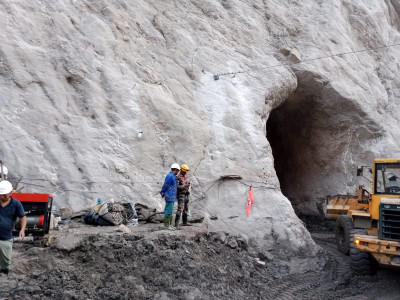
Overnight Rescue Operations Underway at Chilime Tunnel
September 14, 2026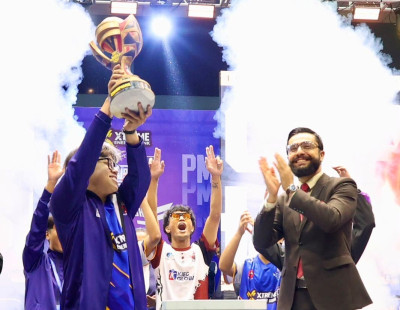
Nepal Esports League Added to Calendar
September 14, 2026
National Children's Rights Day Being Celebrated
September 14, 2026
Bhotekoshi Flood: 1,386 Bodies Recovered
September 13, 2026
Overnight Rescue Operations Underway at Chilime Tunnel
September 14, 2026
National Children's Rights Day Being Celebrated
September 14, 2026
Bhotekoshi Flood: 1,386 Bodies Recovered
September 13, 2026