
Secretary Raut Attributes Petroleum Price Hikes to International Market Trends

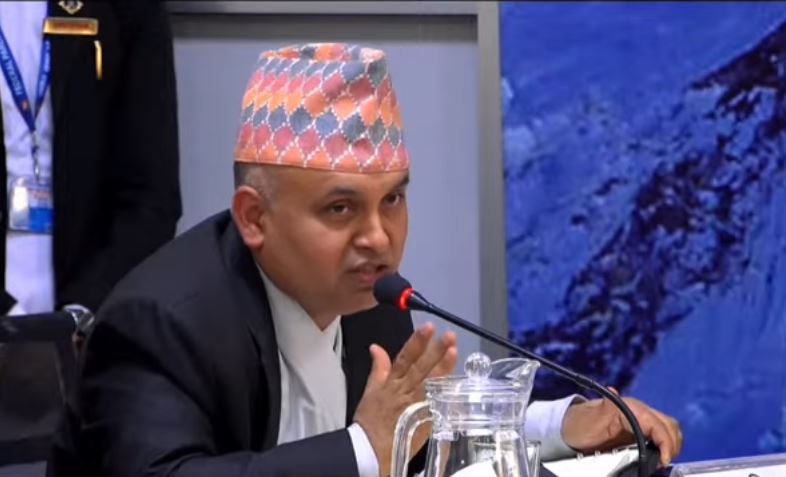
Kathmandu: Secretary of the Ministry of Industry, Commerce, and Supplies, Krishna Bahadur Raut, has stated that the price increases in petroleum products and gas are directly linked to the international market.
Speaking at a meeting of the Industry, Commerce, Labor, and Consumer Welfare Committee, Secretary Raut explained that the automatic pricing system implemented for petroleum products in Nepal was interrupted. He noted that regular price adjustments could not be made after the system was halted during the Ukraine war.
According to him, during that period, when petrol prices surged excessively, the Nepal Oil Corporation had to sell at a loss of more than 100 rupees per liter.
He said, "The issue of price increases has been raised. Specifically, regarding the automatic pricing system for petroleum products that was implemented at the Oil Corporation, it was interrupted once during the Ukraine war. After that, the plan was to increase or decrease prices automatically as they changed, but we couldn't reduce them as much because the prices rose so significantly.
At one point, the Oil Corporation was facing a loss of more than one hundred rupees per liter of petrol. We were still selling it. The Corporation purchases from the Indian Oil Corporation. When looking at international rates, there are differences, but the Indian Oil Corporation provides a price to the Corporation every 15 days, which includes refinery and other charges. Nepal's prices are determined based on that rate."
Secretary Raut informed that the Nepal Oil Corporation purchases petroleum products from the Indian Oil Corporation, and prices in Nepal are fixed based on the rates determined by the Indian side every 15 days, incorporating international prices, refinery fees, and other charges.
Similarly, he mentioned that there is a significant loss regarding gas prices. According to him, a loss of up to 1,142 rupees per cylinder is currently observed. He stated that even after increasing the price by 150 rupees for a 14.2 kg cylinder, there remains a loss of approximately 1,000 rupees.
He said, "The price of gas cylinders also came back higher. A situation arose where a loss of 1,142 rupees was seen. When selling a 14.2 kg cylinder, even with a 150-rupee increase, there is a loss of about 1,000 rupees per cylinder if sold now. The state is bearing that loss. This price increase in the international market began in Bhadra. During festivals and elections, the prices ended up rising."
Raut mentioned that prices in the international market started increasing in Bhadra, and the price hikes faced further pressure during festivals and election periods. He informed that the current losses are being covered by the state.



Kojagrat Purnima is being celebrated nationwide today
October 25, 2026
Traffic Police Penalize 336 Drivers in 24 Hours
October 24, 2026


BP Highway Reopens After Debris Cleared
October 10, 2026