President Thapa Proposes Structural Reforms for Infrastructure Development

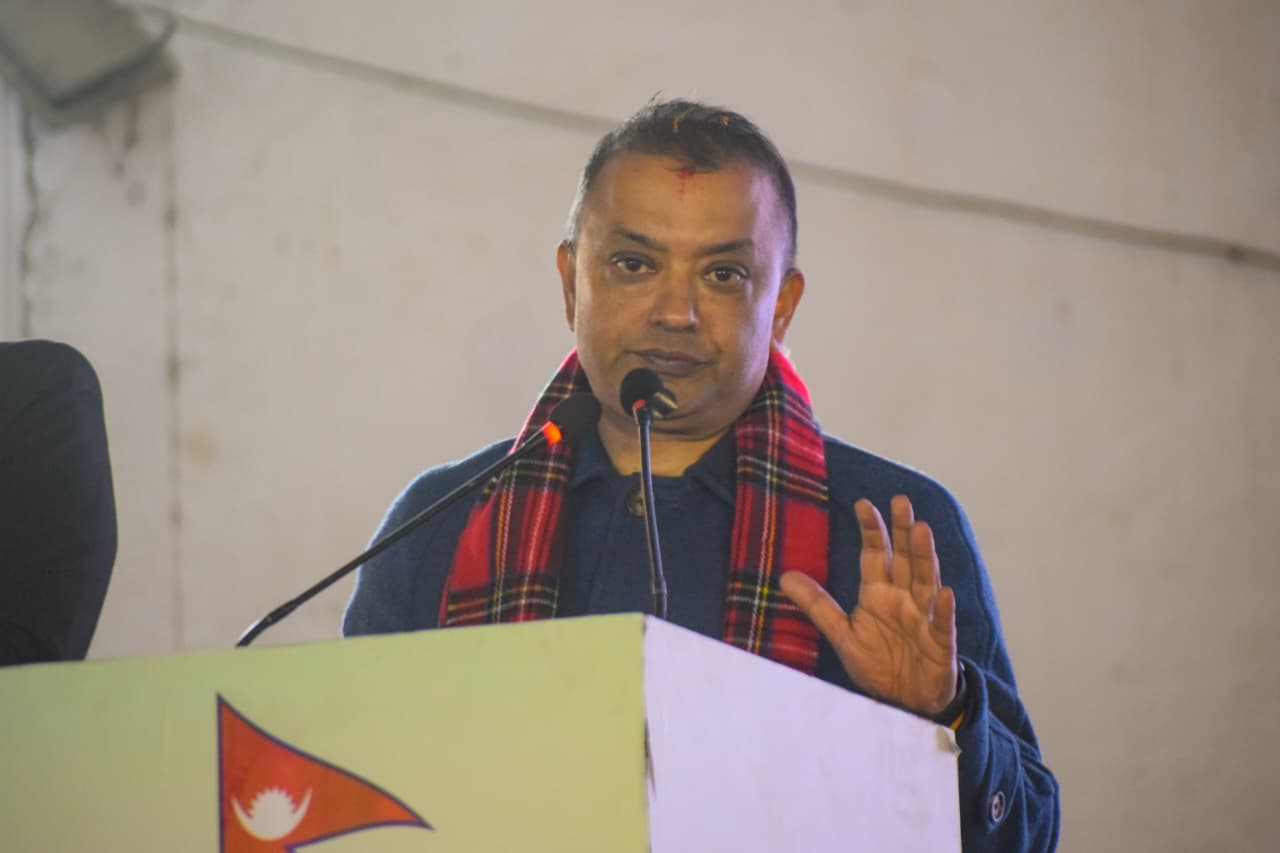
KATHMANDU. Nepali Congress President Gagan Kumar Thapa has stated that the slow pace of Nepal's infrastructure development is not due to superficial reasons but primarily because of systemic issues.
He claimed to have a clear roadmap to transform the infrastructure sector within the next five years, asserting that development is not possible through "magic trick" styles such as giving instructions, threatening contractors, or scolding employees.
Issuing a video message on social media, Thapa depicted the poor condition of national pride projects like the Narayangadh–Butwal road section, the East-West Highway, and the Melamchi Water Supply Project, concluding that the traditional style of development is no longer effective. Thapa described the current state of development as a "shambles," where large national projects remain in limbo for years and city roads are repeatedly dug up and refilled due to a lack of coordination.
He noted that the trend of water supply authorities digging immediately after a road is built, followed by further digging for sewage and fiber optics, not only increases costs but also causes the country to lose significant "opportunity costs." He mentioned that during his long tenure in Parliament, parliamentary committees, and ministries, he has closely observed the problems visible in infrastructure construction.
"We might receive applause by occasionally threatening contractors or reaching project sites to give instructions, but that does not solve the problem," Thapa said. "Working only on the symptoms won't work; we must reach the roots for treatment."
Thapa identified outdated legal structures as the primary reason for delays in infrastructure construction. He stated that the 48-year-old Road Act and the 20-year-old Public Procurement Act cannot address today's needs. He informed that his study showed around three dozen laws need to be amended, revised, or scrapped to complete infrastructure projects on time. He insisted that no matter how much noise is made externally, there will be no results without changing the laws.
Emphasizing that irregularities begin right from project selection, Thapa stressed the need to end the trend of including projects based on political access and pressure. He stated that he is preparing legal provisions to make Cost-Benefit Analysis mandatory when selecting projects, ensuring that no one can exercise discretionary authority.
Arguing that prioritizing only "low bidding" in public procurement has resulted in the loss of both quality and time, Thapa proposed prioritizing the "time value of money." He suggested that legal arrangements should be made to prioritize those who can finish work faster, citing practices in India and other countries.
Thapa emphasized that transparency and social audits must be made mandatory to maintain good governance in the infrastructure sector. He argued that regulatory bodies should be strengthened but should not intervene in a way that makes work impossible.
Additionally, he stated that the practice of announcing large projects without ensuring resources must end. He pointed out that investment in infrastructure can be raised using new financial instruments such as the monetization of public assets and the Hybrid Annuity Model (HAM).
Claiming that problems were not solved in the past just because a minister held a whip and threatened to terminate contracts or scolded someone, Thapa asserted that results will only come through institutional capacity and legal reform.
He said, "If we think problems will be solved in a miraculous way like magic, another five years will be wasted. I want to assure that I will demonstrate transformative changes in the infrastructure sector within these five years."
Expressing his commitment to establishing a system where projects that usually take ten to twelve years are completed in one or two years with quality work, Thapa stated that the Nepali Congress would play a leading role in ending the hardships and hassles faced by citizens.
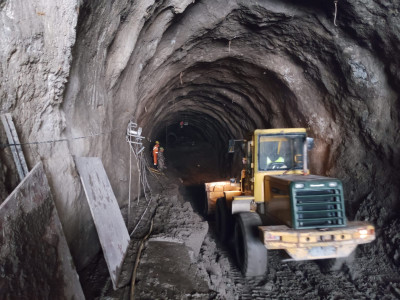
Overnight Rescue Operations Underway at Chilime Tunnel
September 14, 2026
Nepal Esports League Added to Calendar
September 14, 2026
National Children's Rights Day Being Celebrated
September 14, 2026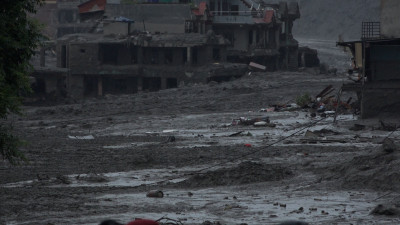
Bhotekoshi Flood: 1,386 Bodies Recovered
September 13, 2026
Overnight Rescue Operations Underway at Chilime Tunnel
September 14, 2026
National Children's Rights Day Being Celebrated
September 14, 2026
Bhotekoshi Flood: 1,386 Bodies Recovered
September 13, 2026