
Bhima Ekadashi Today: Significance and Traditions

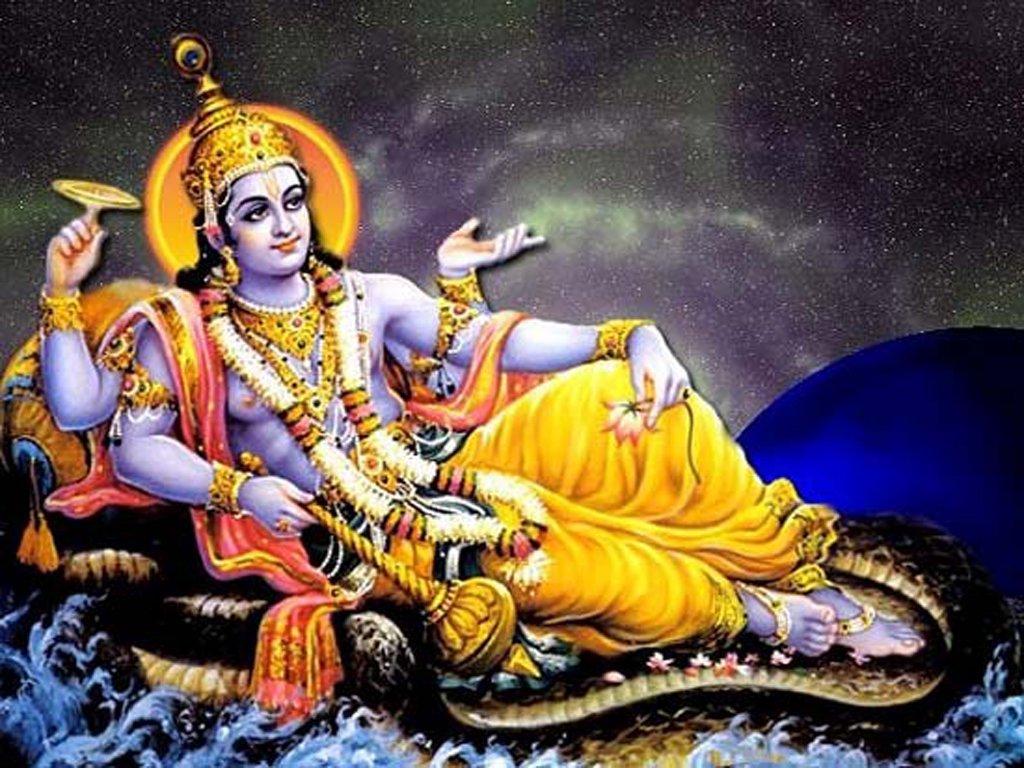
Kathmandu. Today, the festival of Bhima Ekadashi, which falls during the Magh Shukla Paksha, is being celebrated with deep faith and devotion. Like other Ekadashis, Bhima Ekadashi is regarded as a significant day for the atonement of sins and for attaining both worldly pleasures and liberation.
Religious texts mention that Bhima Ekadashi has held special importance since the Mahabharata era. It is believed that the day earned its name because Bhima, the son of Kunti, observed a fast on this specific day.
According to the Garuda Purana, Bhima was exceptionally strong, stout, and known for his large appetite, leading many to doubt whether he could ever manage a fast. However, after Bhima observed the Ekadashi fast with great sacrifice and dedication, the Magh Shukla Ekadashi came to be known as Bhima Ekadashi. It is also believed that by observing this fast, Bhima was freed from all ancestral debts.
According to religious beliefs, the Bhima Ekadashi fast possesses the power to destroy great sins such as the killing of a Brahmin, consumption of intoxicants, theft of gold, and betrayal of a teacher's spouse.
It is believed that observing this fast grants the same merit as visiting all holy pilgrimage sites, including Naimisharanya, Kurukshetra, Prabhas Kshetra, and the Ganges and Yamuna rivers. The Bhima Ekadashi fast is considered superior to any charity, chanting, fire sacrifice, or other meritorious deeds.
In the Kali Yuga, chanting the name of the Lord is considered the greatest sacrifice. Chanting and worshipping Lord Vishnu on the day of Ekadashi is believed to be particularly fruitful.
On the occasion of Bhima Ekadashi, a massive crowd of devotees gathers at Barahakshetra in Sunsari to catch a glimpse of the Baraha avatar of Lord Vishnu. Significant numbers of devotees also visit other temples and pilgrimage sites across the country.

President Paudel Performs Puja and Worships Nava Durga Bhawani
October 25, 2026
Kojagrat Purnima is being celebrated nationwide today
October 25, 2026
Traffic Police Penalize 336 Drivers in 24 Hours
October 24, 2026
BP Highway Reopens After Debris Cleared
October 10, 2026